As the world’s third-largest economy, Japan has faced growth challenges in recent years. However, it still boasts a formidable consumer base characterized by an appreciation for quality products and a strong emphasis on service. While the economy may seem stagnant, the business landscape is quietly evolving, akin to an urban renewal project unfolding in various corners. We could dub this phenomenon “Japan’s Business Revival 2.0.”
The challenges of urban renewal lie in dealing with assets that are not easily monetized or revitalized, such as century-old family businesses that no longer turn a profit, cherished traditional cultures or customs without a clear succession plan, and consumers whose wallets can’t bear higher prices while businesses contend with rising costs. In this context, we observe that innovative Japanese companies still possess a profound innovation DNA. They emphasize branding, customer relationships, and quality while leveraging new models, technologies, or imaginative cross-disciplinary approaches to bridge the old domains and preserve emotional cultures. This type of remix, where the old and the new coexist, fosters innovation while staying true to one’s roots — a finesse that Japan has long excelled at.
In the era of mobile networks and the metaverse, this slow but steady approach to innovation, reminiscent of climbing a rock wall with three points fixed and one point moving, may appear gradual. However, we believe it will continue to be the prevailing theme driving social progress in Japan. Amidst the impatient waves of disruptive and capital-driven innovations, Japan’s deliberate pace is likely to give rise to highly unique businesses and business models.
We present 12 key observations:
1. Department Stores Transform into Experience Hubs, Where Interaction Reigns
According to data from the Japan Department Stores Association, the sales performance of department stores across Japan in 2020 decreased by 25.7% compared to 2019, totaling only ¥4.22 trillion, marking the lowest level since 1975 when it stood at ¥4.651 trillion. During its peak in 1991, Japan’s department store sales reached an impressive ¥9.713 trillion. By 2020, the country had just 192 department stores, marking the first time in 50 years that the count dropped below 200.
The outbreak of the pandemic disrupted the traditional sales rhythm of department stores, forcing them to recalibrate their business models. Many department stores have transitioned from being mere “retail channels” to becoming “product media,” where goods interact physically with consumers, redefining the meaning of “department store.”
One notable example is Daimaru Matsuzakaya, located near Tokyo Station. After a renovation in October 2022, the fourth floor now hosts an “Ashita Kenzei” outlet directly operated by Daimaru Matsuzakaya. Here, various products from online D2C retailers are periodically “exhibited” for experiential purposes. The department store does not manage inventory for on-site sales. If a visitor finds a product they like, they can place an order online using the QR code provided. Aside from rental fees for the space and personnel costs, the department store’s revenue is independent of the sales volume.
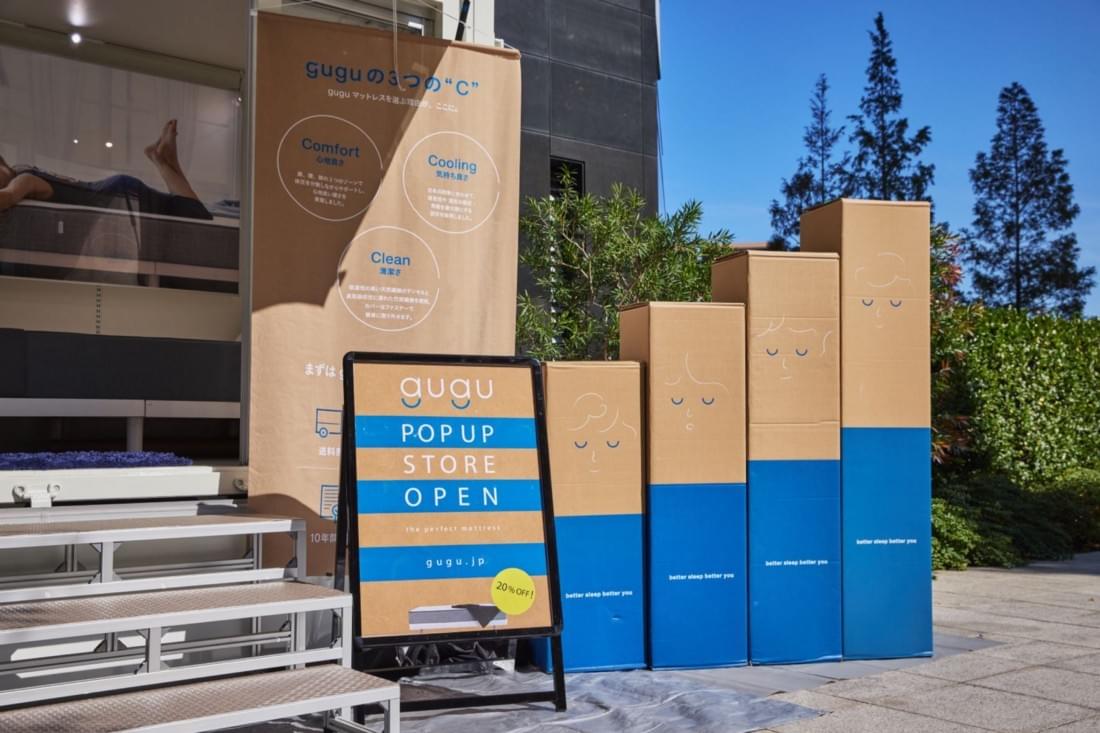
While large shopping malls can attract foot traffic, the high costs of store decoration and commissions often deter unique but underfunded businesses. This has led to the rise of more pop-up stores and mobile vending shops. MIKKE! provides mobile vending vehicles to businesses interested in showcasing their products. Mitsui Fudosan, the company behind MIKKE!, offers locations for these vehicles in green spaces within office buildings or residential complexes. Businesses keen on displaying their products only need to focus on product quality and provide informative explanations to generate sales. MIKKE! plans to expand its fleet to 2,000 vehicles, making it more accessible for aspiring entrepreneurs with innovative ideas but limited capital to enter the market.
In experiential retail, obtaining genuine feedback from consumers is vital, especially as a crucial reference for businesses preparing for public listing. In the post-pandemic era of retail, the goal is to truly practice “customer-centricity” and cater to consumer needs.
2. Cherish What You Have: Transition from Luxury to Simplicity to Circular Economy
After an era of mass production and consumption, Japan’s new generation finds more joy in “reuse” of second-hand goods than in owning new items. Iwasaki Takayuki, who has been involved in Japan’s second-hand recycling and regeneration industry for over 30 years, states that “in 2021, the size of Japan’s second-hand market exceeded ¥3 trillion, and it has steadily grown at an annual rate of 7.8% since 2010, marking 11 consecutive years of growth.”
Japan’s second-hand market comprises three stages: Reduce, Reuse, and Recycle. Within the Reuse market, a new trend called “doorstep acquisition” has emerged. This concept simplifies the process of selling second-hand items, similar to what UberEats did for food delivery. Traditional second-hand shops in Japan used to be concentrated around train stations, requiring customers to bring their items to the shop for assessment, pricing, and transactions. Now, a service called “kai-kuru” (literally, “buy at your home”) allows direct appraisal, pricing, and immediate payment for second-hand items, which are then collected from the seller’s location. “Kai-kuru” has expanded to over 70 locations in Japan, with plans to reach 120 franchise locations by 2024. These locations notably lack physical storefronts and require only ¥2 million in franchise fees and a monthly fee of ¥70,000, making it accessible to a wide range of people. Many individuals, including those affected by the pandemic, such as restaurant owners and truck drivers, have joined the “kai-kuru” service during their spare time, making it a dark horse in Japan’s second-hand industry.
The concept of recycling is also gaining momentum. Japan disposes of approximately 510,000 tons of various clothing items each year, with most of it bypassing the second-hand market and heading directly to landfills or incineration. This issue is not unique to Japan, as the global fashion industry has started to acknowledge its environmental impact. Thus, the Sustainable Fashion movement has emerged.
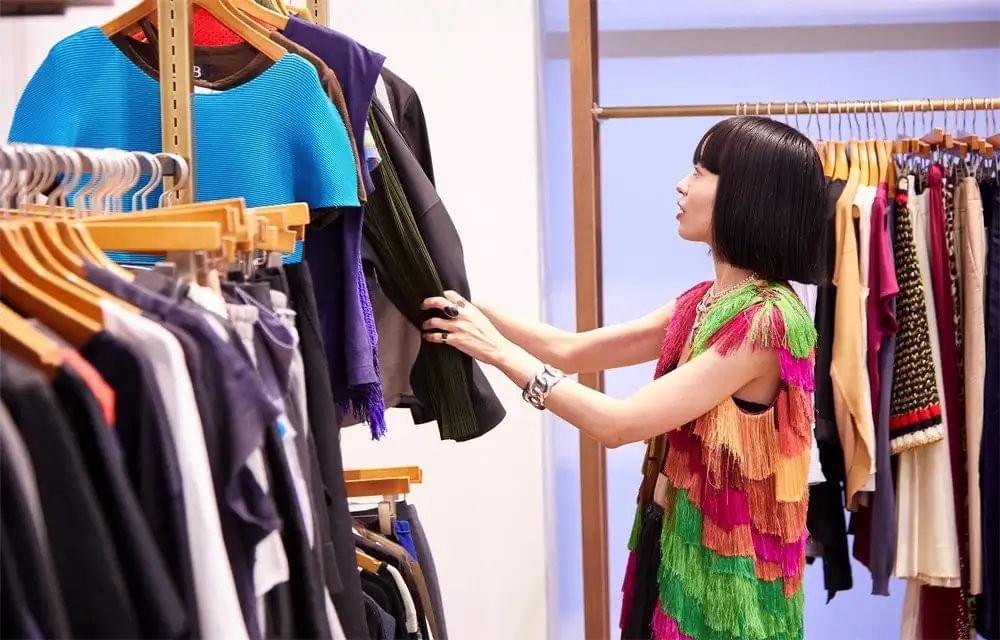
Japan’s younger generation is less interested in purchasing fast fashion clothing. They prefer to visit second-hand clothing stores, hunting for unique pieces. They then share their fashion finds on platforms like Instagram. For these young consumers, buying clothes from second-hand stores offers several advantages, including affordability, a wide selection of styles, and the assurance of not bumping into others wearing the same outfit. Many consider styling second-hand clothing as a form of self-expression. In their conversations, you’ll often hear phrases like, “This outfit is so beautiful! Where did you find it?” This trend has given rise to a community called “Kozaku Women” (Vintage Women), with over 250,000 followers on Instagram. In the physical retail sector, Japan’s 2nd Street, a chain of over 700 second-hand clothing stores, has been expanding in recent years, with 13 stores in Taiwan alone.
The shift from conspicuous consumption to appreciating the value of pre-owned items reflects a growing awareness of sustainability and conscious consumerism among Japan’s youth.
3. Gender-Neutral Style Breaks Traditional Social Labels, Driven by Generation Z
Meet Momoka Fukuda, a senior student at Waseda University. She says, “I don’t like wearing tight-fitting clothes that emphasize feminine curves. Loose-fitting T-shirts are so much more comfortable.” The pants she’s wearing are second-hand men’s jeans, and the sweater on top is an old piece she dug out of her boyfriend’s wardrobe. Momoka enjoys shopping for second-hand clothing with her female classmates, where they don’t differentiate between men’s and women’s fashion. For Generation Z, as long as they like it and it feels comfortable, it’s a purchase.
While Generation Z women lean towards a more “cool” style, their male counterparts seek a touch of elegance and gentleness alongside a departure from the traditional image of rugged masculinity. This concept unexpectedly gave rise to opportunities in the men’s beauty market. According to Fuji Keizai, the men’s beauty market in 2019 was valued at ¥119.9 billion, and it is projected to reach ¥123.7 billion by 2022, showcasing a continuous ten-year growth trend. Just as gender-neutral fashion has shattered the notion that “women should wear dresses,” Generation Z men believe that skincare and makeup are no longer exclusive to women. Pursuing the “beautiful skin man” and “skin-whitening man” has become a part of everyday life.
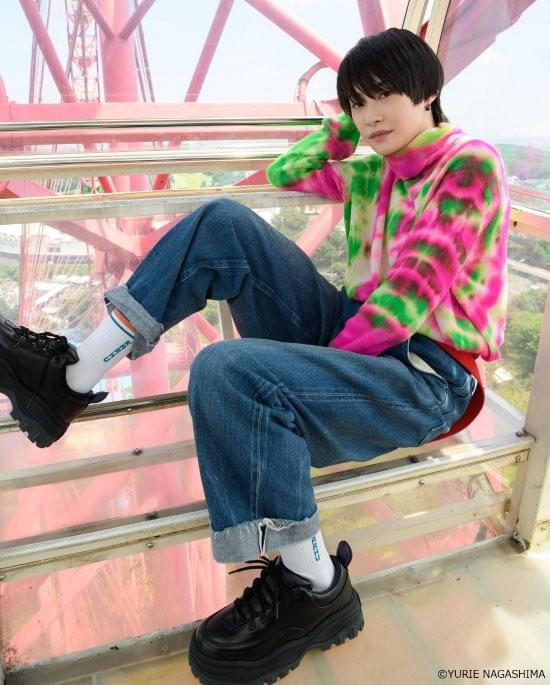
The increasing acceptance of “gender-neutrality” among Generation Z has led to changes in school uniforms and backpack designs. In Japan, over 1,000 middle schools have abandoned traditional sailor-style uniforms for girls, opting for unisex uniforms that both boys and girls can wear. In the next 10 to 20 years, this Generation Z cohort will become the core of society, and gender-neutrality is poised to become mainstream consciousness.
Japan has recently seen the emergence of a popular term called “Mounting” (マウンティング). Originally used in the animal kingdom to describe actions where one asserts dominance over another, it’s akin to showing off. Japan’s Generation Z has taken this concept and applied it to interpersonal relationships. For example, a “Mounting Woman” (マウンティング女子) refers to a woman who intentionally showcases her designer outfits or flaunts her handsome and wealthy boyfriend while speaking. Two years ago, as the COVID-19 pandemic began to spread, the scope of “Mounting” expanded further. For instance, during work-from-home (WFH) periods, some individuals deliberately displayed shelves with obscure books as their backdrop during video conferences, subtly showing off their knowledge. This phenomenon is referred to as “Zoom Mounting.”
With the increased frequency of video conferences, this trend has even influenced the home decor market. The motivation for home environment consumption has shifted from merely making oneself comfortable at home to ensuring that one doesn’t appear embarrassing to others when seen on video calls. This has given rise to trends like the “Salt Style Home,” where aesthetics play a significant role.
4. A Blend of Pure Generation Z Traits and the Wisdom of Old Souls in Japan
Generation Z not only disrupts traditional norms but also embraces a profound love for retro style. Iwasaki Glass, a glassware factory founded in 1819 in Aichi Prefecture, experienced this firsthand. One day, an employee from Generation Z named Miyuki Tsuji was assigned to organize data in the warehouse and stumbled upon a catalog of hand-painted floral glass cups produced by the company between 1965 and 1985. She posted photos of the catalog on social media, and it quickly gained popularity. The hand-painted floral glass cups sold over 260,000 units within two years, surprising many.
Iwasaki Glass conducted a survey among 300 women aged 20 to 30, revealing that over 95% of them wished to purchase new cups with a “Showa-era nostalgia” vibe. They wanted to experience the simplicity of the Showa era (1926–1989) firsthand rather than viewing it through museum glass cases. According to Kentaro Kawashima, from the marketing department at Iwasaki Glass, “The essence of Showa nostalgia, popular among women aged 20 to 30 today, is about experiencing the warmth of the Showa era. Even though vinyl records or cassette tapes may not have better sound quality than CDs, and photos taken with film cameras may not have higher resolution than digital ones, these remnants of the Showa era carry a certain warmth that feels refreshing.”
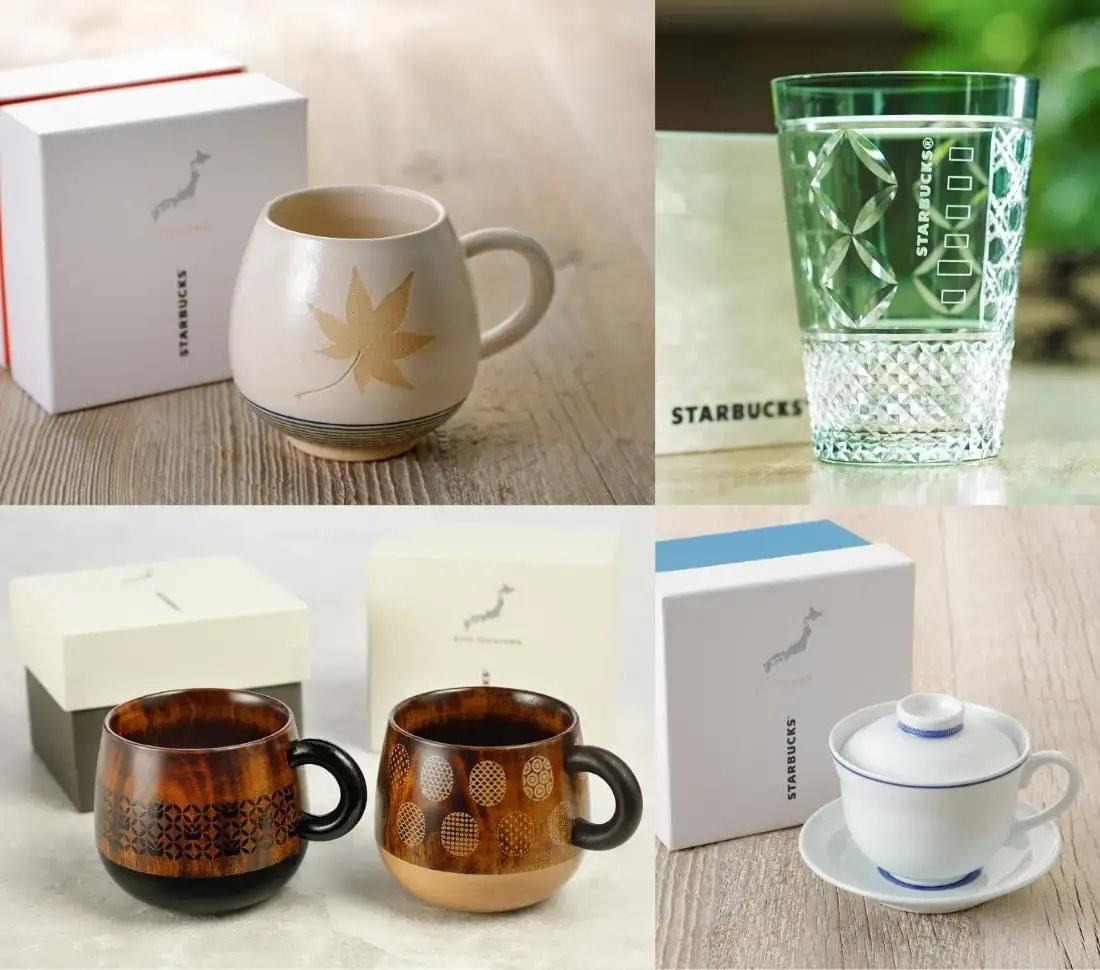
In 2016, Starbucks Japan introduced the “JIMOTO made Series,” a regional limited-edition product line. Each year, they collaborate with local craftsmanship to release various limited-edition cups and accessories. For example, they created a special “Starbucks Iced Coffee Cup” that features traditional Edo Kiriko patterns, such as “Shippo,” “Hakkō Kago-me,” and “Arare,” with a grid for flavor markings, printed on the cup. Although the price of this cup reached an astonishing ¥38,500, it could only be purchased at seven Starbucks stores in Sumida Ward, Tokyo, making it a highly sought-after item among collectors of Starbucks cups. Another cup, made from Miyajima Goshosai pottery, features maple leaf patterns created using leaves from Hiroshima Prefecture’s maple trees.
Apart from glassware, words like “sento” (public bathhouse) and “junkissa” (old-style coffee shop) have also become popular keywords on Instagram in Japan. Professor Kohei Takano from the Faculty of Humanities and Social Sciences at Ibaraki University believes that modern society’s excessive digitalization, efficiency, speed, and instant gratification have made it challenging for younger generations to experience the slow, relaxed lifestyle of previous generations. In their quest to find a balance between digital and non-digital aspects of life, they have given rise to this wave of Showa-era nostalgia. The younger generation hopes to regain a sense of balance in life by switching between digital and non-digital experiences, reconnecting with life’s warmth.
5. Unsustainable Frugal Economy, “Usage” Overtaking “Ownership,” and the Rise of New-Age ¥100 Stores
While Japan’s Kishida Cabinet has introduced the concept of “New Capitalism,” emphasizing a balance between economic growth and fiscal distribution, in reality, it may well transform into a form of “New Frugality.” As prices rise, people are tightening their belts even more. In the past, during times of deflation, Japanese salaried workers could endure stagnant wages due to the relatively low cost of living. However, faced with inflationary pressures, the younger generation has developed a new equation for “savings.”
Today, one of the most frequently uttered phrases among Japan’s youth is, “Before buying something, let’s check how much we can sell it for on Mercari.” Why do they check the resale value before making a purchase? This practice stems from a shopping philosophy derived from Resale Value. It involves deducting the price of a new item from the price of the same item in the second-hand market to determine the cost of using the item during its ownership period. For the cash-strapped Generation Z, who face high living costs, the usage cost calculated through resale value has become a crucial factor in choosing products. They might choose to buy an apparently expensive item but will readily sell it on an auction website if they don’t need it. Unlike the Showa-era generation, who believed in spending less and keeping items for a lifetime, this generation’s approach is not to own anything they don’t have to. They calculate how much it costs to use a product before purchasing it, marking a new strategy to combat inflation.
As the yen depreciates and production costs rise, Japan’s beloved “¥100 stores,” which used to offer everyday essentials at affordable prices, have had to transform into ¥300 or even ¥500 stores. However, for Japanese people grappling with rising prices and stagnant wages, the desire to find life’s necessities at affordable prices remains strong.
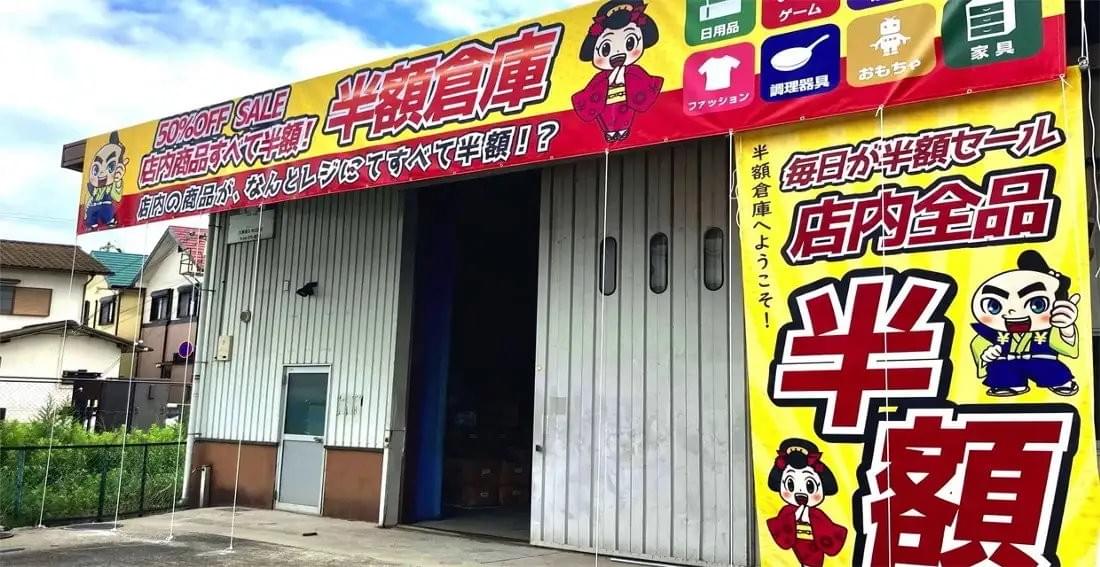
In the midst of Japan’s economic downturn and the impact of the pandemic, numerous stores have become vacant, and many businesses are looking to clear their excess inventory. TOA mart capitalized on this opportunity by purchasing surplus consumer goods and processed foods from factories across Japan in large quantities. Bypassing wholesalers and helping factories clear their stock, TOA mart has become a favorite among local mothers. Minister Nishizawa stated, “We don’t sell second-hand or recycled goods at our half-price stores. All the products on our shelves are new. Our customers primarily consist of savvy 40 to 50-year-old women.” Unlike traditional ¥100 stores, TOA mart offers a wide price range from less than ¥100 to ¥3,000 for its products, making its product selection more diverse. Since opening its first store in Akihabara in November 2021, TOA mart has expanded to 180 stores nationwide.
The Governor of the Bank of Japan, Haruhiko Kuroda, is keen on maintaining an annual inflation rate of 2% in Japan. However, Japanese consumers continue to opt for frugal spending habits in their daily lives. The solution to this paradox lies in the direction of business innovation.
6. The Resurgence of Physical Spaces and Digital Transformation: Nurturing the Grounds for Brand Innovation.
Since the outbreak of the pandemic, finding a “new normal” mode of operation has become a critical challenge for many businesses. One of Japan’s industries that has the largest flow of “physical” traffic is the railway transportation system. In 2020, JR East Japan incurred its first operating deficit since privatization, with a staggering ¥577.9 billion loss. In response, many railway companies are exploring the integration of virtual and physical realms, displaying e-commerce website products within high-traffic train stations or converting stations into offline stores for e-commerce order pickups, as well as pop-up fitting rooms for trendy clothing. In the future, railway stations will not only serve as transit hubs but also as crucial gateways between the physical world and the virtual realm.
In 2020, JR East Japan and Japan’s largest mail-order company, Tokyu Hands, engaged in reciprocal capital business investments. JR East Japan enriched its e-commerce platform with products from Tokyu Hands, while Tokyu Hands leveraged JR East Japan’s extensive network of high-traffic stations, such as Shinjuku Station with nearly 2 million daily commuters and Tokyo Station with almost 1 million daily passengers, to convert foot traffic into online traffic. Both companies found common ground. Keio Electric Railway has similar plans, as it has equipped its terminal station, Kichijoji Station on the Inokashira Line, with an experiential store where customers can try on clothing and jewelry. This store periodically changes its experiential products, all of which come from direct-to-consumer (D2C) brands online. These offline experiential stores have indeed resolved many issues and disputes that arise when shopping online. Additionally, for railway companies, the foot traffic that visits these offline experiential stores can boost the popularity of department stores operated by railway companies, not only increasing railway transport capacity but also boosting department store revenues.
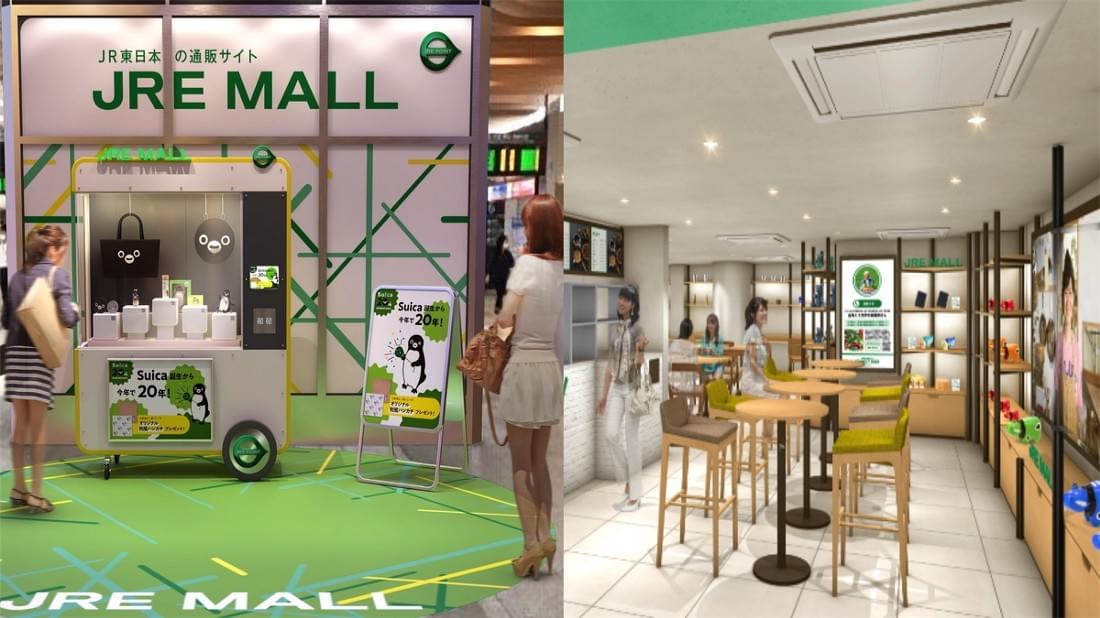
In the future, train stations will remain vital points for commuting, traveling, and daily life. However, transitioning from “transportation facilities” to “life platforms” should be the new norm to consider post-pandemic.
7. The Internet: Bridging Generational Appreciation of Craftsmanship and Consumerism
Located in Okucho, Aichi Prefecture, Japan, the Sidejima Can Factory has been specializing in manufacturing various tin cans and boxes since its establishment in 1906. For years, it served various confectionery and candy factories by producing a wide range of packaging containers. During Japan’s era of rapid economic growth, the Sidejima Can Factory’s annual revenue could reach up to ¥1.5 billion, employing over 100 staff members. However, as the bubble economy burst, many orders shifted to the Chinese market, leading to a gradual decline in Sidejima’s performance, with annual revenue dwindling to just ¥500 million, with the factory’s warehouse becoming filled with unsold tin cans and boxes.
In 2020, an employee of Sidejima Can Factory, on the brink of disposing of the surplus inventory, posted a tweet on Twitter. It read: “These cans have only sold 100 in the past 10 years, and now…” Accompanying the tweet was a photo of a colorful pile of empty tin cans and boxes. This tweet quickly became a trending topic on Twitter, receiving over 660,000 likes and retweets. Some anime enthusiasts even commented, “I’ve been looking for these colored cans!” and “Why destroy such beautiful cans? Sell them to me!” Surprisingly, this tweet led to actual businesses specializing in anime merchandise expressing interest in purchasing the pictured empty cans. This Twitter post not only found new owners for the cans and boxes that were originally slated for destruction but also revitalized the Sidejima Can Factory. In fact, this year, the factory has hired an additional 14 employees, resurrecting its business.
Cygames, a Japanese company that anthropomorphized horse racing into a female idol development mobile game called “Umamusume Pretty Derby,” officially launched the game in February 2021. Within the first month, it achieved ¥13 billion in sales revenue, with a remarkable ¥30 billion in revenue within the following three months. The game quickly dominated Japan’s dual-system rankings once it went live. This mobile game leverages the characteristics of idol development games within a two-dimensional world, allowing players to gradually uncover the hidden stories behind the Umamusume through one-on-one interactions with the virtual idols. Most of the Umamusume in the game correspond to real-life racehorses, and the game development company even had a dedicated team negotiating with the owners of these horses for naming rights and the possibility of anthropomorphizing them. This approach turned horse racing enthusiasts into dedicated fans, creating connections between players and the game through experiences and emotions. In terms of results, this approach not only solidified the game’s existing fan base but also unexpectedly introduced real horse racing culture and history to the younger generation through the world of two-dimensional gaming, opening up possibilities for cross-industry collaborations.
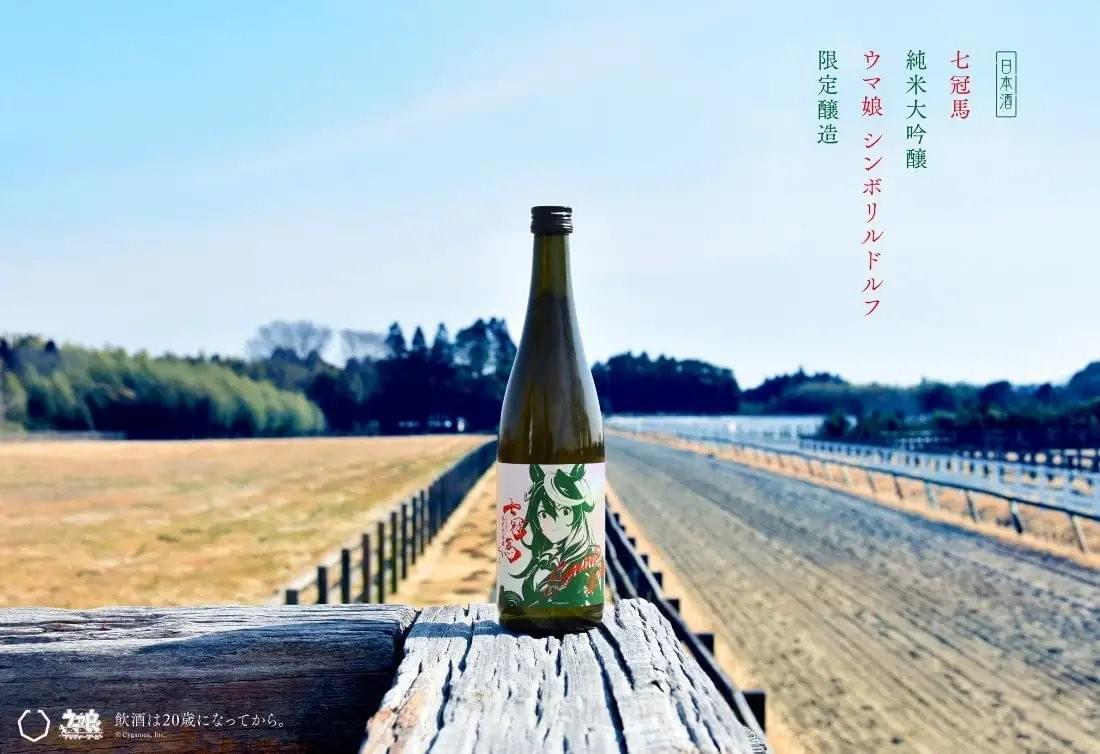
Meanwhile, in Shimane Prefecture, Japan, a sake brewery named “Hoshizaki Sake Brewery” had produced a commemorative sake called “Shichikangoma” in 1985. Decades later, someone approached them for a collaborative venture featuring the Shichikangoma sake. This unusual collaboration led to the release of a limited edition Shichikangoma sake paired with Umamusume Pretty Derby, priced at ¥5,500 per bottle. All 7,777 bottles of this limited edition sake sold out immediately upon release. In an era where sake sales were declining year after year in Japan, the collaboration between Shichikangoma and Umamusume Pretty Derby unexpectedly created a new industry model. President Tamura stated, “In addition to the original Shichikangoma sake enthusiasts, young people who enjoy horse racing, mobile games, or anime have also been actively purchasing and colle
8. Embracing a Data-Driven and Research-Oriented Collective Society: New Horizons in Data Mining in the Internet Age
Japanese society places great emphasis on “reading the air.” In this context, “the air” refers not to the air we breathe daily but rather the atmosphere cultivated within various groups. In Japanese, if someone is described as “KY” (kuki yomenai), it directly translates to “cannot read the air,” similar to saying that the person is socially awkward. This ability to sense the atmosphere is often observed through interpersonal interactions within organizations and schools, enabling one to discern prevailing trends in “the air.” However, when it comes to understanding the broader societal “air” on a national scale, the question arises: can we instantly identify the prevailing societal sentiments? Beginning in 2015, Nomura Research Institute and Assistant Professor Yukie Sano of the University of Tsukuba’s Systems Information Science department invested six years in developing a system to calculate Japan’s “air” index, a tool that also effectively tracks fluctuations in the Nikkei Stock Average.
The Japan Air Index developed by Nomura Research Institute primarily collects various public posts from major social media platforms in Japan. Through big data analysis of the content of these posts, it identifies six emotional indicators: cheerful, chaotic, low-spirited, angry, tense, and tired. For instance, when posts include keywords associated with “cheerful,” such as happy, joyous, or lively, Japan’s “cheerful” index rises. Conversely, when posts express sadness, unhappiness, or gloom, associated with “low-spiritedness,” the index increases. Calculating these indicators involves more than just counting posts; it also considers the number of shares and the content of comments. To ensure accuracy, posts from the same account repeatedly posting similar content are excluded from the calculation, preventing individual emotions from skewing the index. For instance, when the first state of emergency was declared in 2020, Japan’s “anger” index reached its peak, and upon its lifting, the “cheerful” index immediately surged. Surprisingly, this index is more accessible than traditional opinion polls in gauging public support for policies.
Nomura Research Institute also discovered a significant positive correlation between the “cheerful” index of the Japan Air Index and the Nikkei Stock Average from 2015 to 2021, with a correlation coefficient as high as 0.44. According to Kotaro Tamura, head of the Data Science Research Laboratory at Nomura Research Institute, “The Air Index can provide a macro perspective on the prevailing societal atmosphere in Japan, and it can also dissect the psychological impact of policies or social events on the Japanese people. The Japan Air Index will continue to collect and analyze various posts on the internet, not only serving as a reference for corporate activities and product launches but also providing politicians with clearer and more scientific data for policy direction.”
Sometimes, our seemingly inconsequential posts on platforms like Facebook conceal our true emotions and desires. These emotions, interconnected through social media, shape the overall societal atmosphere. Those who can quickly grasp this societal “air” can deploy strategies ahead of others. Therefore, not being “KY” (unable to read the air) is crucial for achieving success in one’s career and business pursuits.
9. Changing Demographics: Aging Population, Solo Living on the Rise
Japan is experiencing a consistent trend of declining birth rates, population aging, and a growing number of individuals living solo. According to estimates from Japan’s National Institute of Population and Social Security Research, by 2040, approximately 39% of the population will belong to the solo-living demographic, fundamentally altering the country’s demographic landscape. This transformation has been further substantiated by recent trends in the emergence and consolidation of household appliance and furniture stores.
Yamada Electric, formerly a leading player in the household appliance market, encountered a plateau in sales years ago due to a shrinking population. As a response, they shifted their focus from household appliances to the “lifestyle industry,” venturing into furniture sales and residential development as a means of preserving their business relevance. Following their merger with Otsuka Furniture, Yamada Electric promptly introduced 18 second-generation retail stores across Japan, offering a combination of household appliances and furniture. Furthermore, they are currently developing smart electric beds for home care needs. According to a report by the Imperial Information Bank, the market size for furniture and home decor in Japan in 2021 was approximately ¥1.5 trillion. Additionally, the surge in remote work opportunities over the past two years has led to a continued rise in the proportion of people renovating and updating their furniture, with the overall market size witnessing an annual increase of 3–4% from 2011 to 2020.
Takuma Tokuoka, a marketing executive at Zojirushi, Japan’s leading rice cooker brand, comments, “The increase in solo living and dual-income households has led to fewer people cooking at home.” While Zojirushi’s premium rice cookers were initially designed for nuclear families of four, the changing dining habits of Japanese people have rendered these products less relevant. In 2018, Tokuoka introduced the “White Rice Restaurant Zojirushi Shokudo,” where they use Zojirushi’s top-of-the-line rice cookers to prepare delicious, fluffy white rice. This innovation attracted many office workers, willing to wait over an hour just to enjoy a bowl of rice cooked with Zojirushi’s rice cookers. In response to the rise of takeout culture, Tokuoka transformed the “restaurant” into a “bento shop” and launched “Zojirushi Silver White Bento.” This offering consists of white rice cooked with Zojirushi rice cookers, accompanied by various side dishes. Not only does this initiative promote their rice cookers, but it also gathers valuable feedback from users, achieving a dual purpose.
10. Subscription Services and the Sharing Economy: A Harmonious Intersection of Customer Retention and Savings
The Mobi taxi subscription service, introduced by the renowned Japanese sightseeing bus company WILLER, primarily addresses the transportation needs for the last mile of travel. Subscribers pay ¥5,000 per month, allowing them unlimited rides within a two-kilometer radius in designated areas. If other family members wish to join, they only need to pay an additional ¥500 per month to enjoy the same service. During a three-month trial period in Kyoto’s Kyotango City and Shibuya Ward in Tokyo, the service garnered 4,266 registered members, with approximately 10% opting for the fixed-rate payment service. On average, there were about 130 ride reservations daily, with each member taking approximately 50–80 rides per month. Maiko Sugano, a paying member in Kyoto, shares, “Previously, when I had to pick up my child or go grocery shopping, I had to be mindful of traffic safety and time. With the taxi subscription, I can reserve a ride just 10 minutes before I need it, making it much more convenient than driving.”
ClosettoCloset, a second-hand clothing exchange platform, was founded by Sayu Miwa. She states, “When you walk into ClosettoCloset, you don’t have to worry about whether you have enough money in your wallet. You can simply focus on finding the clothing that suits you.” From 2019 to the present, they have hosted over 50 events, with more than 2,000 attendees. The quality of clothing brought in by attendees is surprisingly impressive. Miwa explains, “Because everyone brings their favorite clothes, the quality of clothing on display at ClosettoCloset is generally very high. Each person hopes that the next owner of their clothing will cherish it as much as they did.” When consumers who bring clothing for exchange become more invested in the condition of the items they provide, it also means that the quality of clothing available in this pop-up store is maintained by the members.
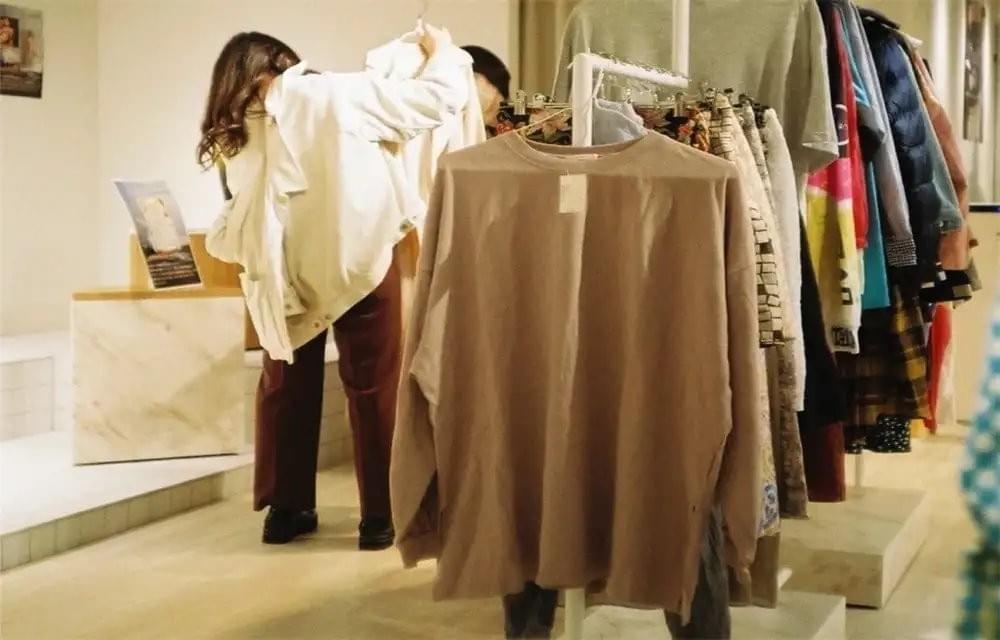
Sayu Miwa, the founder of ClosettoCloset, runs her company in a very “Z-generation” fashion. They don’t have a fixed office, and they don’t accumulate inventory in warehouses. Miwa operates more like a nomadic tribe on the Mongolian steppe, traveling to various department stores across Japan. At each event, they facilitate clothing exchanges where members bring their items and take home something new, ensuring a dynamic cycle of fashion.
Japan also has subscription services similar to Taiwan’s weekly flower delivery service. Tokyo-based Hanaden Company offers a service where subscribers pay just ¥1,085 per month to pick up flowers from a local flower shop. While subscribers can pick up flowers up to six times a month, they are limited to one flower per visit, without professional flower arrangement services. Nonetheless, the service boasts more than 40,000 subscribers, with over 40% of them being Z-generation members aged 30 and above. According to a survey conducted by the Japan Flower Council in November 2020, involving 4,300 Japanese Z-generation men and women, nearly 70% of respondents were not accustomed to buying flowers from flower shops, primarily because they “hadn’t thought about it.” This suggests untapped potential in the flower market among Z-generation consumers.
11. Technological Innovation Reshaping Retail
In the past, when you entered a Japanese electronics retail store, aside from the inescapable background music, the most noticeable feature was the handwritten paper signs displaying “Today’s Special” or “Recommended Products.” Nowadays, these traditional signs have been almost entirely replaced by electronic shelf labels made of e-paper technology. The greatest advantage of these electronic shelf labels is their ability to update product prices, information, and even inventory levels instantly through wireless communication technology. Three major Japanese electronics retail giants, NOJIMA, BIC Camera, and Yamada, have gradually transitioned their in-store shelves to electronic shelf labels since 2019.
After 5 PM in Japan, chain supermarkets need to clear out fresh food items like sashimi, sushi, or bento side dishes, often requiring employees to apply various discounts on different items. With electronic shelf labels, a task that previously took about an hour can now be completed with a single press of a button, seamlessly integrating with the retail industry’s POS (Point of Sale) systems. The control over electronic shelf labels in the retail industry is akin to the importance of the core banking system and ATMs in the banking sector. The deputy head of the Digital Business Division at Kyoto-based precision measurement company Ishida Co., Ltd., Kiyoshi Tsujikawa, explains, “In 2021, the global market size for electronic shelf labels was approximately 94 billion yen, and it is estimated to grow to over 240 billion yen by 2026.”
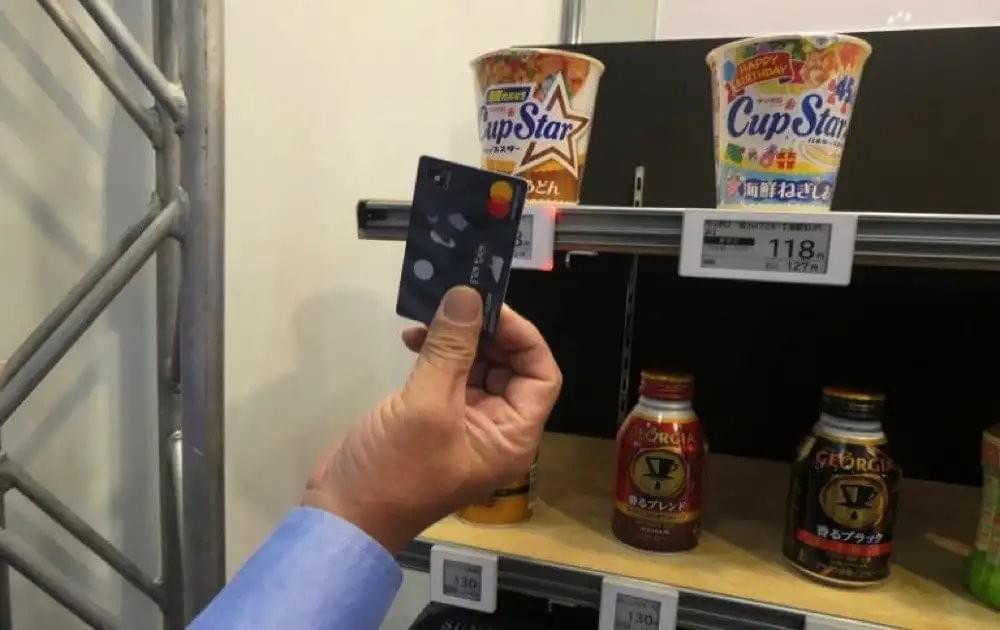
However, there is a cost bottleneck associated with electronic shelf labels. Tsujikawa points out, “There is limited room for further cost reduction in the implementation process. To expand the market, we need to maximize market demand.” As a response, Ishida Co., Ltd. has combined environmental considerations and introduced the concept of measurement supermarkets. In these supermarkets, unlike traditional ones, consumers do not need to bring their own containers for items like vegetables, fish, or even shampoo and body wash. Instead, the store adjusts prices based on the daily cost of goods received, all of which is displayed on electronic shelf labels. In late 2022, Taiwan’s E Ink and Itochu Corporation announced a collaboration to capitalize on the global e-paper market, leveraging E Ink’s e-paper technology and Itochu’s global trade network. Electronic shelf labels are just one application of e-paper, and future products resulting from this Japan-Taiwan collaboration are expected to diversify further.
12. Bi-Directional Innovation in Food Equipment and Food Technology
Lawson, one of Japan’s top three convenience store chains, surprised the industry earlier this year by introducing frozen sashimi at select stores in the Kanto, Kinki, and Hokuriku regions. Previously, selling sashimi in convenience stores was a challenging endeavor due to concerns about freshness and texture. However, Lawson’s approach to frozen sashimi differs significantly. They package individual slices on a sashimi platter, and with a quick thaw, customers can enjoy freshly flavored, tender sashimi. This innovation has shattered the preconceived notions of many regarding the convenience store sashimi’s quality and convenience.
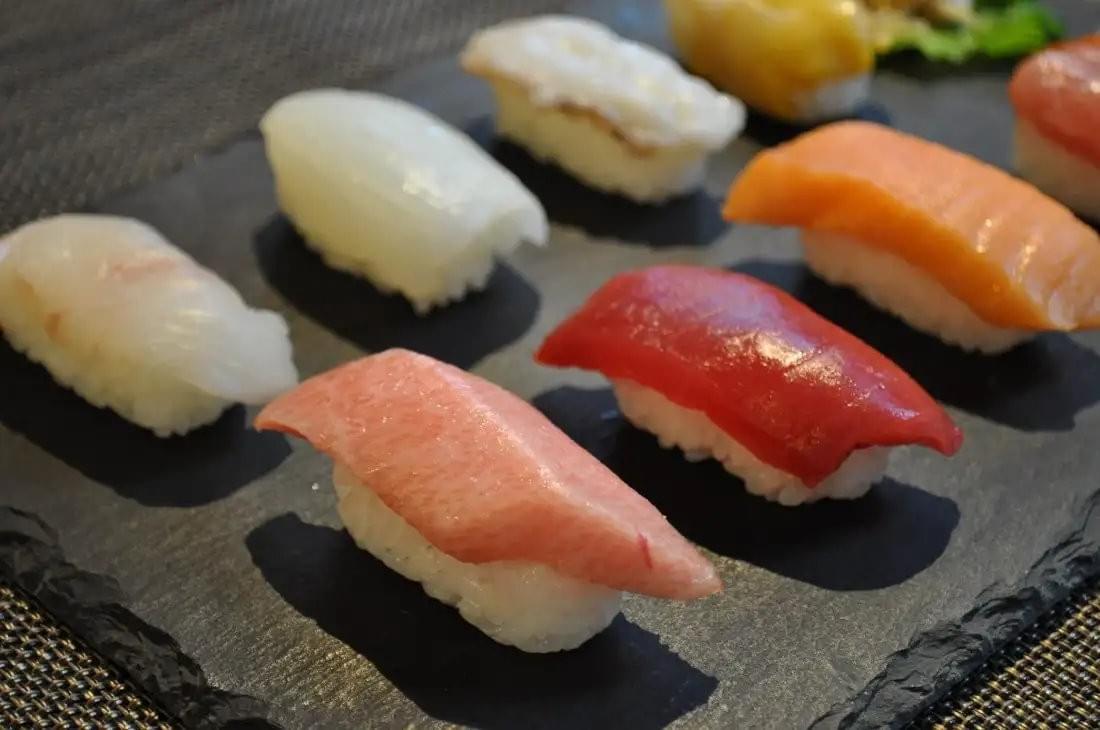
The domestic shipment of frozen food for household use in Japan in 2020 increased by 18% compared to 2019, reaching 374.8 billion yen. Advancements in specialized freezing technology have accelerated the evolution of frozen foods. The “Freeze Sleep” technology developed by TECHNICAN, a freezing machine manufacturing factory in Yokohama, utilizes liquid nitrogen at -30 degrees Celsius for rapid freezing of food. The shorter the freezing time, the smaller the structural changes in the water molecules within meat or seafood, preserving the umami (savory taste) of the food. Consequently, frozen food maintains its freshness and texture, even after thawing, unlike traditional frozen food products that often lose flavor during thawing. With “Freeze Sleep” technology, frozen sashimi can now be sold in convenience stores, with a shelf life of up to six months. The thawing process is also straightforward: just place it under running tap water for ten minutes, and you can enjoy delicious, fresh sashimi.
The application of “Freeze Sleep” extends to a wide range of dishes, including steaks, sushi, curry bread, mapo tofu, and more than 60 other food items. This revolutionary technology creates opportunities for innovation in the foodservice industry, and its growth potential is highly promising.
Dreamhub Ventures’ Comprehensive Insights
After examining the 12 observations above, we can now start to discern the evolving landscape of business innovation in Japan. Overall, it appears that Hybrid is a winning strategy. The fusion of Hybrid elements, such as those between Generation Z and Baby Boomers, virtual and physical experiences, monks and diamonds, and recycling meeting fashion, as well as remixes and refined micro-innovations, has always been Japan’s forte. The more these elements intersect in business innovation, the greater the scope for imaginative success.
For instance, by combining technological changes in retail (Trend 11) with the physical store experience (Trend 1), we can envision the outstanding performance of b8ta Japan, a Silicon Valley-based company that has opened its third physical store in Japan. b8ta has introduced tasting and sampling counters, creating a unique experience for customers. Here, not only are there basic kitchen facilities for preparing frozen foods, but also new craft beers from local breweries, turning it into a place where you can dine and drink for free. Through experiential stores, producers can obtain rapid and accurate feedback directly from consumers, strengthening their connection.
Japan excels in data analysis, and when you combine the OMO (Online Merges with Offline) model with data analysis, new competitiveness can emerge. Seibu Shibuya Department Store added a section called CHOOSEBASE SHIBUYA, which brings together 50 different brands from the online D2C sector. Customers can see their desired products, confirm colors, models, and prices using QR codes, then complete their purchase online, choosing either in-store pickup or home delivery. This nearly 700-square-meter store operates efficiently with just eight staff members. Over 20 AI cameras above the store analyze customer demographics, gender, and dwell time, providing valuable insights for marketing and improvement.
We can boldly imagine that Japan’s traditional automation infrastructure (e.g., vending machines, capsule toys, and robot interactions) can be cross-applied in retail spaces or various traditional settings to draw in crowds. By combining data collection with online footprint analysis, deeper connections with consumers can be established. Companies with emotional brand value assets can utilize this technology to create digital touchpoints, enhancing customer loyalty, and presenting a significant opportunity.
Capsule toys are a universe of their own in Japan. According to estimates from the Japan Toy Association, the domestic capsule toy market alone is worth at least 45 billion yen annually. Inspired by capsule toys, China has witnessed the rise of blind boxes and significant retail opportunities like Bubble Mart, which integrates second-dimensional IP. This industry is expected to evolve and transform by 2025.
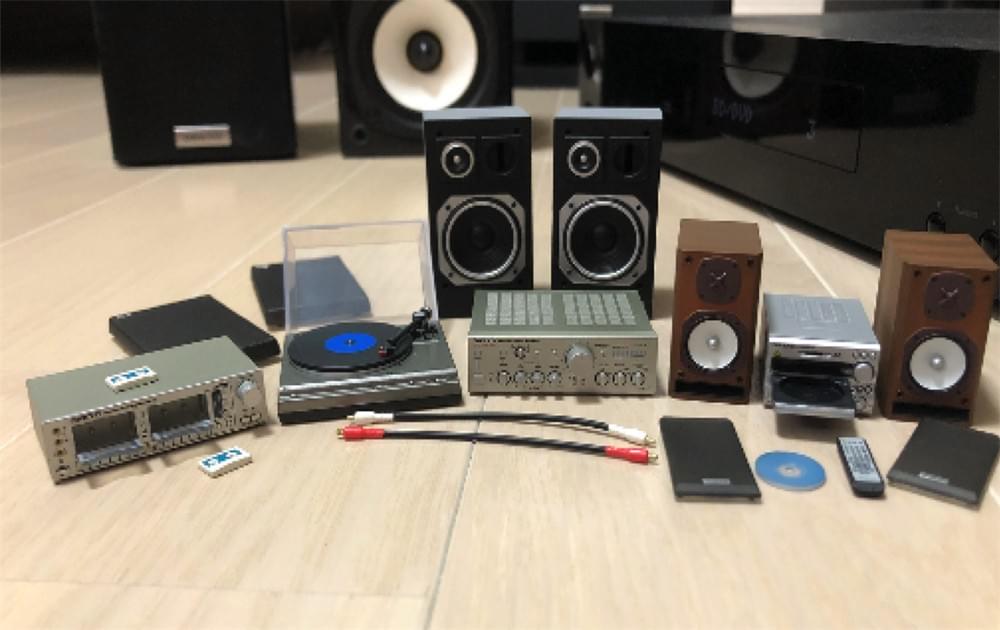
KENELE STAND’s capsule toy chain stores specialize in creating mini-models. Starting in 2020, they have set up shop inside several JR stations in Akihabara, Shinbashi, and Shin-Koiwa, targeting the younger population. Most of these capsule toys are the result of cross-industry collaborations with established brands, including popular coffee and dessert chain “Ginza Cozy Corner,” Yoshinoya’s beef bowls, and even miniature sets of Onkyo audio equipment. With prices ranging from 300 to 500 yen per capsule, these mini-models have gained a good reputation for their level of detail among consumers. A college student, Natsuki Takano, remarks, “These mini-models, collaborations between capsule toy stores, stationery shops, and furniture stores, take everyday tools and miniaturize them. Buying them once can be addicting. I’ve spent over 10,000 yen several times just to collect complete sets of mini-models.” In the future, capsule toy collaborations between mini-models and businesses will likely become a trend, offering businesses a tool to deepen their connection with fans. This is a fusion of Japan’s traditional strengths, automated retail, and brand nostalgia, and we can expect to see successful cases emerge (combining Trends 1, 4, 6, and 9).
Taking the furniture industry as an example, the home market is already substantial, but growth opportunities lie in adapting to changing lifestyles. For example, in the past, “home” was a private space where only the comfort of the occupants mattered. Friends rarely visited, so there was no need to consider the impressions of others. However, with the widespread use of social media platforms and video conferencing, even if friends do not visit, the appearance of one’s home furnishings can unintentionally circulate in the online world. According to Dentsu Life Innovation Institute researcher Daisuke Uchibayashi, “Many people now scroll through photos on social media. Besides the main visuals like food and people, the furniture featured in the photos has become a focal point. Items like living room sofas and lamps have become important, leading to increased budgets for purchasing.” Traditional businesses are now more focused on Customer Relationship Management (CRM) than ever before. It is conceivable that the approach will be based on business analysis, identifying accumulated advantages (such as brand, the number of channels, customer trust, logistics systems, etc.) and using this axis to combine new technological innovations. In Japan, trust and security are crucial, and traditional brands tend to opt for an extension strategy rather than disruptive innovation. Start-ups looking to break through can consider starting from this path.
Leading Japanese department store Mitsukoshi Isetan, adapting to the declining trend in department stores, has started offering a service to buy back surplus items from consumers’ homes. Many customers bring in items like watches, clothes, and designer handbags for evaluation. Over the past year, Mitsukoshi Isetan has bought back more than 2,000 items. Among these customers, some are foreign clients who take the opportunity to sell brand-name items when returning to their home countries, while others are VIP customers of the department store who have been shopping at Mitsukoshi for years and are now starting to declutter their belongings.

Yuki Kamiya, the person in charge of this project, says, “This service not only helps consumers clear out their homes of unused but valuable items but also encourages over 80% of the customers who sell items to buy new products within the store.” For Mitsukoshi Isetan, information about who buys what is stored in the company’s computer database. Aside from the VIP department at the department store, hardly any second-hand recycling companies can access this customer data. This is why Mitsukoshi Isetan has confidence in its recycling service.
Renowned sportswear brand The North Face has introduced a recycling initiative called Green Baton in Japan. Under this program, consumers can bring their unused children’s clothing to The North Face stores, and for each piece of children’s clothing recycled, they receive a merchandise voucher worth 1,000 to 2,000 Japanese yen. The store then takes these recycled children’s clothes and sends them to factories for repair. Some severely damaged items are combined to create a single piece. Kenichi Hatanaka, in charge of these projects, stated, “Over 40% of discarded children’s clothing is due to kids outgrowing them. After refurbishing, these clothes can be resold for less than half the price of new ones, making it a practical choice for budget-conscious parents.”
In the contemporary reshaping of the experiential economy’s old scenes, we anticipate great potential in Japan.
According to statistics from the Japan Sauna and Cold Bath Comprehensive Research Institute, there are currently around 28.54 million sauna-goers in Japan. Among them, approximately 3.39 million people visit saunas at least once a month. Saunas have evolved, with individual rooms becoming more popular. Some urban areas have taken initiatives to rejuvenate their localities, offering saunas by clear rivers, on beaches, even in caves with stalactites. There are also temples combining saunas for both physical and spiritual rejuvenation. The “sauna journey” is expected to become a new trend.
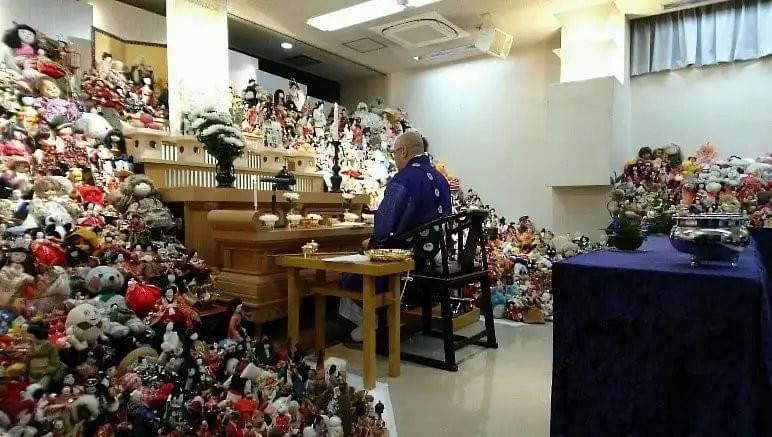
The Keio Group’s Keio Funeral Hall in Tokyo has been holding an annual doll memorial service since November 2015. Currently, nearly a thousand people participate in the memorial service, offering approximately 6,500 dolls from their childhood. These dolls are chanted by Buddhist monks and then “cremated” by the funeral hall. Despite its simplicity, this type of funeral service has been embraced by many who are willing to invest time and money in it. This year, Yositaka Tanaka, who had just been accepted into university, respectfully placed his childhood doll, “Koshi” (the doll’s name), which his grandmother had given him as a gift when he was born, on the altar. Tanaka’s eyes revealed a sense of loneliness and nostalgia as he said, “Koshi has been with me since I was born. Now that I’m going to college and moving, I have to say goodbye to Koshi.” This example illustrates how, in a culturally rich country, even green recycling initiatives can be carried out with such solemnity and grace.
In July 2020, a Twitter post stating, “I had some symptoms that seemed to be caused by anemia, but after drinking MILO(a nutritional drink now under Nestle group) for iron supplementation, I found some improvement. I think there might be quite a few people with anemia. Give it a try. Plus, MILO really tastes good,” went viral. This post led to a sudden surge in sales for MILO, a product that had been available in Japan for nearly 50 years. Sales in 2020 grew by over double compared to 2019. Even the main product, “Nestle MILO Original Flavor 240g,” sold out in September 2020. Production lines in Southeast Asia could not keep up with demand, leading to Nestle Japan announcing a temporary halt to sales across all channels.
Over a year later, Japanese consumers’ enthusiasm for MILO shows no signs of waning. Comparing the consumer demographics in Japan between 2019 and 2021, the purchase rate has increased by over threefold across nearly all age groups. While MILO used to primarily target households with teenagers under 18, the growth in this customer segment continued, nearly tripling. Surprisingly, the customer segment without teenagers at home saw an overall purchase rate increase of over fivefold. Faced with Japan’s aging population and fewer children, MILO is transforming into a “favorite of adults.”
In 2020, a single social media post sparked a resurgence in the popularity of a product that had been around for almost 50 years. Opportunities like these are perhaps rarer than a comet striking the Earth for marketing professionals. However, Nestle’s MILO faced this once-in-a-lifetime opportunity head-on, exhibiting a series of strategies that unveiled fascinating marketing insights. When they realized that their Southeast Asian production lines couldn’t keep up with the demand across all channels, they made the bold decision to publicly announce a temporary halt in supply to all channels. This decision was likely only possible for a brand like this drink, which boasts a loyal consumer base and has the financial strength to take such a step.
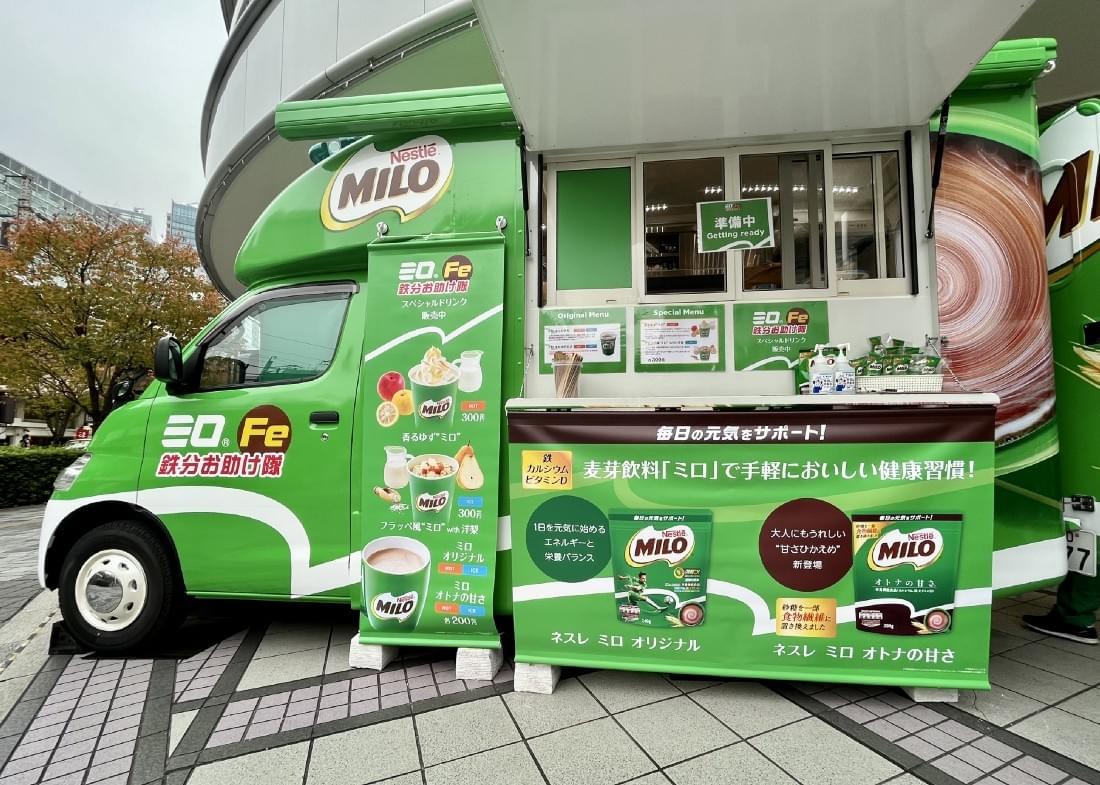
Pausing supply to all channels served two purposes: it allowed production lines to continue generating inventory, and it prevented eager consumers, driven by social media buzz, from visiting stores only to find empty shelves, which could have created a negative perception of the product. Once the product was back on the shelves, they analyzed changes in consumer demographics before and after the social media event. They then developed products tailored to the emerging market of working professionals who had recently embraced Meiji Hiyashi. By monitoring sales from food trucks and vending machines, they assessed the market’s receptiveness to these new offerings. Finally, they launched an all-out marketing blitz.
MILO, a product born during an economic downturn, used the momentum of a global pandemic over the course of two years to reinforce the importance of balanced nutrition to the Japanese population. They cleverly extended the shelf life of a topic that had arisen two years prior and even went on to introduce exclusive Japanese beverages. This case study is truly worthy of examination for marketers.
For brands grappling with aging, there’s a potential for rebirth by identifying fresh insights online, leveraging business innovation, and seizing opportunities with effective management. This represents the exquisite nature of Japan’s domestic consumer market, where discerning tastes prevail. Are you prepared to embrace it?"